Your cart is currently empty!
Pesticides: An In-Depth Exploration
1. Introduction to Pesticides Pesticides: An In-Depth Exploration
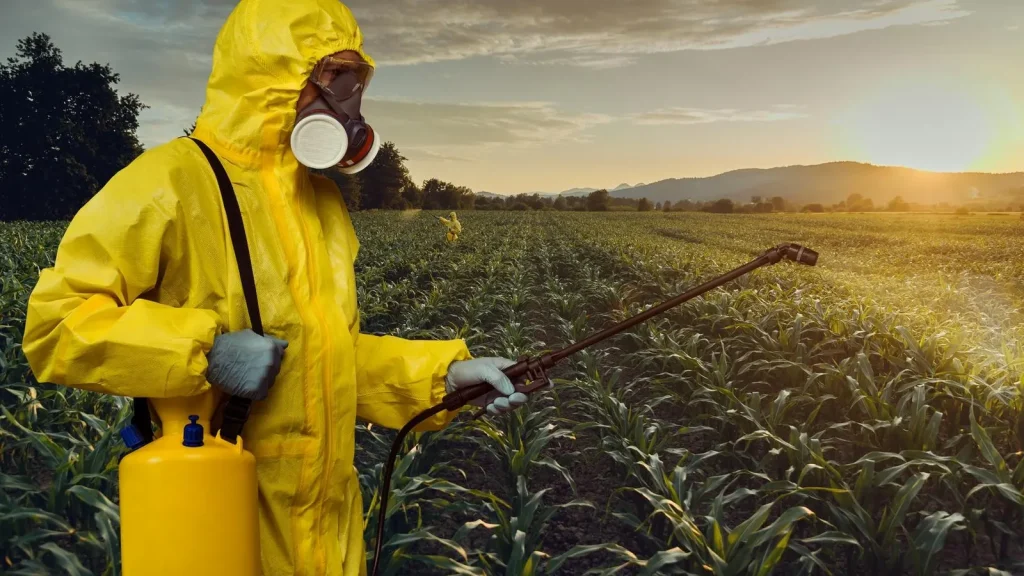
Pesticides are substances used to prevent, destroy, repel, or mitigate pests .Pesticides: An In-Depth Exploration These pests can include insects, weeds, fungi, rodents, and other organisms that can cause harm to crops, animals, and humans. The use of pesticides is widespread in agriculture, public health, and other sectors, making them an essential tool in pest management.
2. Types of Pesticides in india
Pesticides are categorized based on the type of pests they target. The primary types include insecticides (for insects), herbicides (for weeds), fungicides (for fungi), rodenticides (for rodents), and bactericides (for bacteria). Each category is designed to address specific pest issues, with different formulations and modes of action.
3. The Role of Pesticides in Agriculture
Pesticides play a critical role in modern agriculture by protecting crops from pests and diseases. They help ensure higher yields and better quality produce, which is vital for feeding the growing global population. By controlling pests, pesticides reduce crop losses and contribute to food security.
4. Environmental Impact of Pesticides
While pesticides are effective in pest control, their environmental impact is a significant concern.Pesticides : An In-Depth Exploration Pesticides can contaminate soil, water, and air, affecting non-target species and leading to biodiversity loss. The persistence of certain pesticides in the environment can disrupt ecosystems and cause long-term damage.
5. Health Effects of Pesticides
Human exposure to pesticides can occur through various routes, including ingestion, inhalation, and skin contact. Acute exposure to high levels of pesticides can lead to symptoms such as nausea, dizziness, and respiratory problems. Chronic exposure has been linked to more severe health issues, including cancer, neurological disorders, and reproductive effects.
6. Pesticide Regulation and Safety
To mitigate the risks associated with pesticide use, governments enforce strict regulations. Agencies like the Environmental Protection Agency (EPA) in the United States evaluate and approve pesticides before they can be sold and used. These regulations ensure that pesticides are used safely and effectively, minimizing harm to human health and the environment.
7. Pesticide Resistance
Pesticide resistance occurs when pests evolve to survive exposure to a pesticide that previously controlled them .Pesticides: An In-Depth Exploration This resistance can result from the overuse or misuse of pesticides, leading to the need for higher doses or new pesticides. Managing resistance involves rotating different pesticides and using integrated pest management (IPM) strategies.
8. Alternatives to Chemical Pesticides
Given the drawbacks of chemical pesticides, alternative pest control methods have gained attention. Integrated Pest Management (IPM) combines biological, cultural, physical, and chemical tools to manage pests sustainably. Biological control, using natural predators or parasites, and cultural practices like crop rotation are essential components of IPM.
9. Biopesticides: A Natural Approach
Biopesticides are derived from natural materials such https://www.anjalimahajan.co.in/exploring-the-advantages-of-g_20-summit/as plants, microorganisms, and minerals. They are considered safer for humans and the environment compared to synthetic pesticides. Examples include Bacillus thuringiensis (Bt), which targets specific insects, and neem oil, which acts as an insect repellent. The use of biopesticides is encouraged in both conventional and organic farming
10. The Future of Pesticides
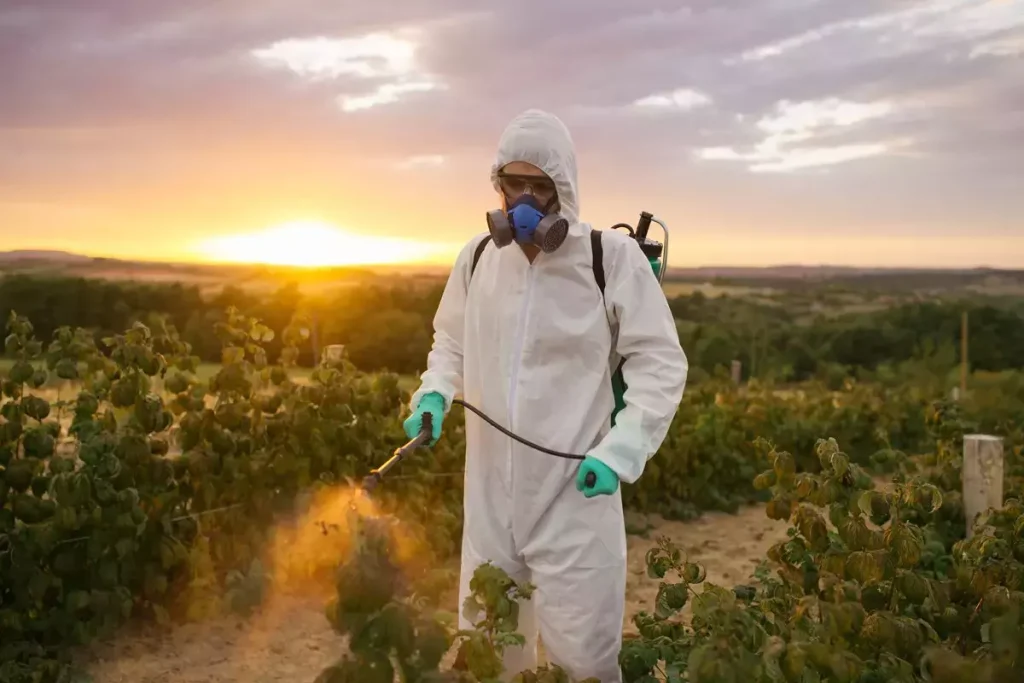
The future of pesticides lies in the development of safer,https://www.ncbi.nlm.nih.gov/pmc/articles/PMC6240772/ more sustainable alternatives. Advances in biotechnology and precision agriculture offer the potential to reduce pesticide use while maintaining crop yields. Genetic engineering may produce pest-resistant crops, and precision farming techniques can optimize pesticide application, reducing environmental impact.
11. Public Awareness and Perception of Pesticides
Public perception of pesticides has shifted over time, with growing awareness of their potential risks. Consumers are increasingly concerned about pesticide residues in food and the environmental impact of pesticide use. This has led to a rise in demand for organic products and the adoption of alternative pest control methods in agriculture.
12. Conclusion: Balancing Pesticide Use
Pesticides are a double-edged sword, offering significant benefits in pest control while posing risks to human health and the environment. The key to sustainable pesticide use lies in balancing these benefits and risks. Integrated Pest Management, biopesticides, and advances in agricultural technology can help achieve this balance, ensuring that pesticides continue to play a vital role in global food production while minimizing their negative impacts.