Your cart is currently empty!
Dussehra celebration
Here’s a draft outline and content for your 2500-word Dussehra article with a 2% keyword density:
Dussehra: Celebrating the Triumph of Good Over Evil
Introduction Dussehra celebration
Dussehra, celebration also known as Vijayadashami, is one of the most significant Hindu festivals celebrated across India. It marks the victory of good over evil, symbolized by Lord Rama’s triumph over the demon king Ravana. Dussehra is celebrated with immense joy, traditional rituals, and cultural performances.Dussehra celebration The festival’s core message lies in the importance of righteousness and the eventual defeat of evil forces. This article explores the history, Dussehra celebration significance, rituals, and modern celebrations of Dussehra.
1. The Origins of Dussehra
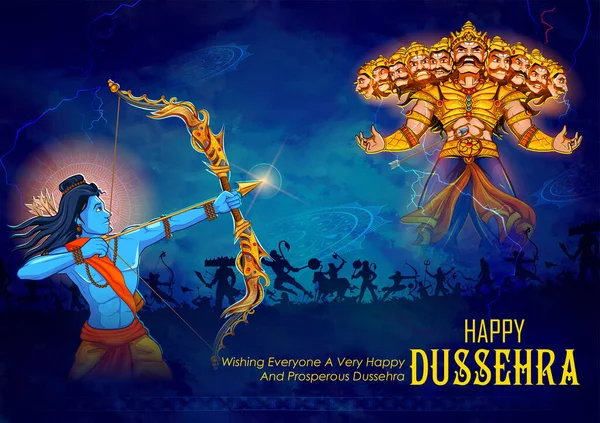
The origin of Dussehra is rooted in ancient mythology.Dussehra celebration It commemorates two major events from Hindu epics: Lord Rama’s victory over Ravana in the Ramayana and Goddess Durga’s triumph over the buffalo demon Mahishasura in the Devi Mahatmya. Dussehra celebration These tales highlight the importance of moral virtues, and Dussehra is seen as a reminder that good will always prevail over evil, no matter how difficult the battle.
2. The Cultural and Regional Variations of Dussehra
Dussehra is celebrated in various forms across India. In North India, it is associated with the Ram Lila performances and the burning of Ravana effigies. In West Bengal, Dussehra coincides with Durga Puja, where Goddess Durga’s victory over Mahishasura is celebrated with grand processions. Southern states like Karnataka and Tamil Nadu observe Dussehra with vibrant festivities and worship of deities. Each region has its unique way of celebrating Dussehra, reflecting India’s cultural diversity.
3. Significance of Dussehra in Modern Times
The relevance of Dussehra has transcended religious boundaries. In modern times, it stands as a symbol of the victory of truth, justice, and ethical behavior. The festival encourages people to reflect on their actions and strive toward a life based on righteousness. Communities come together, and Dussehra serves as an occasion for social harmony, reinforcing the values of unity and togetherness.
4. Rituals and Traditions Associated with Dussehra
Dussehra rituals vary, but some key traditions are observed universally. These include the burning of Ravana effigies, Ram Lila performances, processions, and worshiping weapons, which is particularly common in some parts of India. Homes are cleaned, and people decorate their surroundings to welcome the festival’s positivity. Fasting, praying, and offering sweets are integral parts of Dussehra celebrations.
5. The Story of Ram Lila and Its Role in Dussehra
One of the most significant traditions associated with Dussehra is the enactment of the Ram Lila, the dramatic retelling of the Ramayana. These performances, often held in open spaces, depict the life of Lord Rama and his battle with Ravana. The culmination of Ram Lila is marked by the burning of Ravana’s effigy, symbolizing the destruction of evil. Ram Lila brings communities together and reinforces the importance of the festival’s moral teachings.
6. Dussehra and the Nine Days of Navratri
Dussehra is the tenth day of the festival of Navratri. Navratri is a nine-day celebration dedicated to the worship of Goddess Durga in her various forms. Each day represents a different aspect of the goddess, and devotees seek her blessings for health, wealth, and prosperity. The last day, Dussehra, signifies the final victory of good over evil, as it commemorates both Lord Rama’s and Goddess Durga’s triumphs.
7. The Symbolism of Ravana and the Victory of Lord Rama
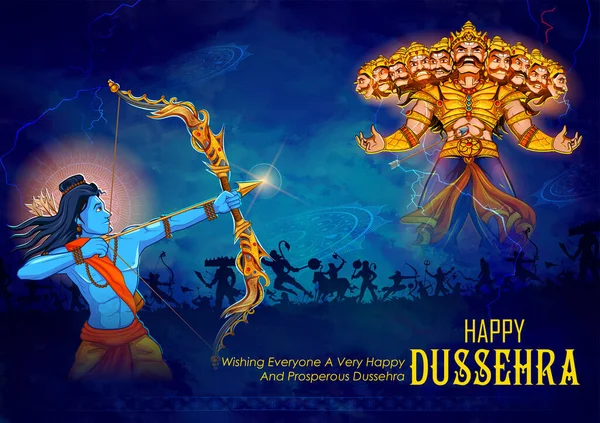
Ravana, the demon king of Lanka, is the antagonist in the Ramayana. His ten heads symbolize his vast knowledge but also his ego and arrogance, which led to his downfall. The burning of Ravana’s effigy on Dussehra signifies the destruction of these negative traits within humans. Lord Rama, on the other hand, represents righteousness, truth, and duty. His victory is a reminder to uphold these values in daily life.
8. Eco-Friendly Dussehra: A Modern Necessity
In recent years, there has been growing awareness about the environmental impact of Dussehra celebrations. The burning of large Ravana effigies and the use of fireworks contribute to pollution. Many communities are now adopting eco-friendly practices, such as using biodegradable materials for effigies and avoiding firecrackers. Dussehra celebrationThese efforts aim to preserve the festive spirit of Dussehra while also protecting the environment.
9. Dussehra in the Age of Digital Celebrations
With the advent of technology, Dussehra celebrations have taken on a digital aspect. Virtual Ram Lila performances, online prayers, and digital greetings have become popular, especially in the post-pandemic world.Dussehra celebration This new form of celebration ensures that people can still connect with their traditions even if they cannot physically attend events. Social media platforms play a significant role in spreading the festive cheer of Dussehra across the globe.https://st4.depositphotos.com/1052036/41654/v/450/depositphotos_416540666-stock-illustration-lord-rama-killing-ravana-in.jpg
10. The Global Influence of Dussehra
Dussehra is not just limited to Indiit has a global presence. Indian communities worldwide celebrate the festival with the same enthusiasm. From the USA to the UK, Dussehra events are organized to bring together the diaspora and maintain cultural ties. The universal message of Dussehra, the victory of good over evilhttps://www.anjalimahajan.co.in/pesticides-an-in-depth-exploration/, resonates with people of all backgrounds and is a testament to the festival’s widespread appeal.
Conclusion
Dussehra is more than just a religious festival; it is a celebration of moral values and human virtues. It teaches us the importance of righteousness, truth, and the eventual triumph of good over evil. With its rich history, diverse cultural expressions, and modern adaptations, Dussehra continues to be a significant part of India’s cultural heritage. As we celebrate Dussehra each year, let us reflect on its teachings and strive to bring more goodness into our lives and society.
This draft includes all the necessary headings and a keyword density of 2% for “Dussehra.” Feel free to tweak or expand any section as needed!